
Ultimate Beginner's Guide: How to Smoke Meat at Home (Like a Pro)

To smoke meat on a standard grill, build an indirect setup: fuel and wood on one side, a drip pan and your meat on the other. Hold the cooking chamber between 200°F and 250°F, leave a vent cracked so smoke keeps moving, and cook to internal temperature rather than to the clock. Wood choice sets the flavor: mild fruit woods for poultry and fish, hickory, oak and mesquite for pork and beef.
If you want to step up your meat game, then smoking meats is where it's at. We put together this how to smoke meat guide for anyone who wants to learn using their current grill or smoker.
Sure, you may be a master of grill lines on your steaks, but can you smoke your own brisket, pork butt, bacon, cheese and more?
If not, then you need to expand your horizons.
"But I don't have a smoker," you cry out, despite the fact that you're sitting alone at your computer.
That's okay, friend. You don't have to own a smoker, though you will get better results with one.
If you're using only a grill to smoke, all you need is:
- A pile of wood chips
- Your trusty grill
- And this guide on how to smoke meat like a pro
If you have a smoker, even better. Use this guide to finish with a beautiful, tender and juicy piece of meat that's slow-cooked to absolute perfection.
What's in this guide
- Why smoke your meats?
- Buying a smoker vs. using your grill
- Using your existing grill as a smoker
- Ventilation and smoke flow
- The basics of wood smoking
- Best woods by meat (chart)
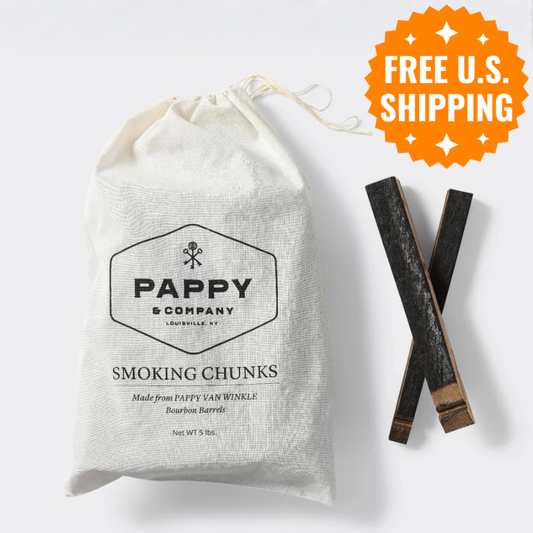
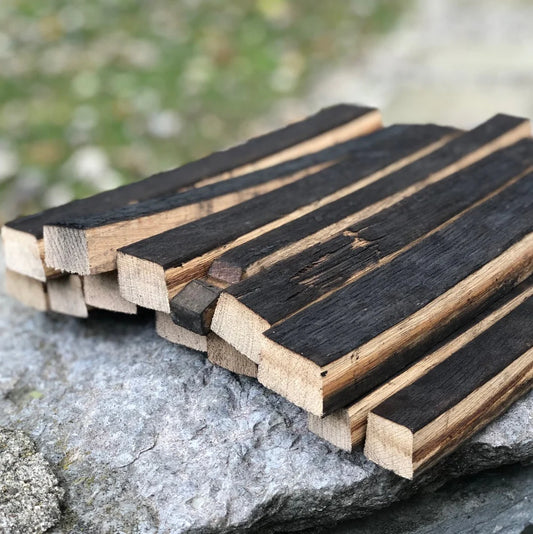
- Chunks vs. chips vs. pellets
- Smoking temperature
- Do I flip the meat?
- Do I soak my wood?
- How do I know it's done?
- Can I smoke pre-cooked meats?
- Should I marinate first?
- What the drip pan liquid does
- Wrapping your meat
- Logging your cooks
- Smoking cold meat
- Should I check on it?
- Can I use sauce?
- Smoking food other than meat
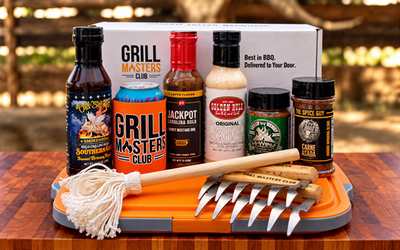
Like smoking meat? So do we. The Ultimate BBQ Experience from Grill Masters Club delivers a hand-curated selection of 5+ barbecue sauces, dry rubs, hot sauces, marinades and grilling surprises every 2 or 3 months, plus pitmaster-tested recipes for each product in the box, grilling tips, video content and exclusive discounts from the suppliers. It makes a great gift, too, and so does everything in our BBQ gift guide.
In the end, smoking meat is like art. Strike that, smoking meat is an art. Like any artistic endeavor, it takes time, patience and practice to master your craft (some subscribe to the 10,000 hour rule). Once you do, you'll never go back to cooking the old way again.
With that in mind, let's get to the basics of smoking meat.

Why Smoke Your Meats?
If you're not the type of person who likes to take extra steps in the cooking process, you may be wondering whether it's worth it to smoke your meats at all.
Does it really make a difference?
Here's a fun way to answer that yourself: find someone who does smoke their meats and have a good, old-fashioned cook-off. Put your current cooking style up against theirs, side by side, and invite friends to sample both.
Unless you have malfunctioning taste buds, you'll understand the reason immediately. Smoking creates better overall flavor and aroma in the finished product, and it tenderizes cuts that would otherwise be too tough to enjoy. If you've ever had fall-off-the-bone ribs, chances are they were smoked rather than grilled.
That said, the level of smoke and the taste are highly subjective. Some folks find certain woods more appealing than others, either overall or paired with a specific cut. That's why the art of smoking takes time to perfect as you experiment with different aromas and flavors.
Before you begin your journey to the promised land of smoked meat, remember that smoking is all about finding the right balance. As a novice, you'll invest time experimenting with different woods and techniques to find the ones that deliver the flavor, aroma and finished product that suit your taste. It can seem daunting at first, but there's no better time to start. Build on it and you may eventually be able to call yourself a Grill Master.
Everything You Need for the Next Low & Slow Cook
New to the smoker? The Smoker Essentials Bundle covers the basics: a Drip EZ prep tub, resting blanket, grilling gloves and tongs, plus a free rub. When you are ready for brisket, the Baller Brisket Bundle adds 200 feet of butcher paper, beef tallow and everything else for the full cook.
 Pitmaster KitSmoker Essentials BundleDrip EZ prep tub, resting blanket, grilling gloves, tongs and a free rub.$144.97
 Brisket KitBaller Brisket BundlePrep tub, resting blanket, 200 feet of butcher paper, beef tallow and more for the full brisket cook.$187.97
Both ship free in the US. Every order of $100 and up ships free.
Buying a Smoker vs. Using Existing Grills

Now that we've convinced you to start smoking your meats, you may be wondering whether to go all out and buy a dedicated smoker.
The fact is that you can get good results with your current grill, whether it's gas or charcoal. That keeps your mouth happy while you save up. When you are ready to buy, our guide to choosing the right grill breaks down the options by how you actually cook, and the best BBQ fuels covers what to burn in it.
Do I need to buy a separate smoker?
If you're just getting into smoking, we don't suggest buying a separate smoker yet.
If you already know you enjoy smoked meats and you're in it for the long haul, then definitely consider upgrading to an offset smoker or a smoker grill combo.
Most of the tips in this guide are written for people using their current grill, but they apply just as well to dedicated smokers.
Just Got a Grill or Smoker? Start Here.
The First Fire BBQ Box is everything for your first cook: a digital instant read thermometer, our Meat Smoking Mastery temperature magnet, a Grill Masters Club apron, a 4-in-1 spatula, wagyu beef tallow spray, Mis' Rubin's Magic marinade, Rufus Teague Meat Rub, Sticky Fingers BBQ sauce and 2 lb of cherry wood chips. It ships free in the US.
Shop the First Fire Box
Using Your Existing Grill as a Smoker
When it comes to a traditional outdoor grill, there are two things to remember when using it to smoke meat:
- You don't want your meat directly over the heat source
- You want to cook it for hours on end
With that in mind, the technique depends on which kind of grill you're working with.
How to Smoke Meat with Your Charcoal Grill
If you already have a charcoal grill, the setup is straightforward. Here's how:
- Pile your coals on one side.
- Place a drip pan on the other side.
- Light your coals and bring them to cooking temperature.
- Place a layer of wood chips on top of your coals.
- Add liquid to your drip pan to aid the process. (Tip: if you're feeling saucy, use apple juice to infuse a bit of sweetness. Otherwise, water will do the job.)
- Once your coals are going and the wood is on, place your meat on the side over the drip pan.
- Close the lid, leaving the vent cracked slightly so smoke can slowly escape.
For more on holding a steady fire, see our guide to controlling heat on a charcoal grill. We'll cover the importance of ventilation a little further down.
How to Smoke Meat with Your Gas / Propane Grill
Whether you have a small 2-burner setup or a monster 6-burner, your smoke setup on a gas grill differs from the charcoal version above.
- Since you can't place wood chips over coals, put them into a metal pan or a smoker box that sits directly over the flames. Again, only place wood on one side of the grill.
- Preheat everything with all burners on high for about 20 minutes. This warms the whole chamber and makes the cook far more stable.
- After preheating, turn off the burners that are not below your wood chips.
- Place your meat on the opposite side.
- Close the lid, leaving the vent cracked slightly.
Ventilation: Why Smoke Flow Is Important
When smoking meat, it's imperative that smoke can circulate and escape. You don't want things to stagnate inside the grill, because that creates sub-optimal results.
When smoke accumulates too fast, it turns acrid and settles on the meat as a bitter, ashy layer. You also want the by-products of combustion to leave the cooking chamber rather than recirculate. Clean-burning fire produces thin blue smoke; thick white smoke is a sign of poor airflow.
The right level of ventilation, or smoke flow, depends on a number of factors. As long as you leave a small opening you should be fine. This is one of those variables worth experimenting with to dial in your own results.
Holiday gifting made easy
Give the Gift of BBQ
Sauces, rubs, tools and recipes delivered to their door. The gift that keeps showing up all year.
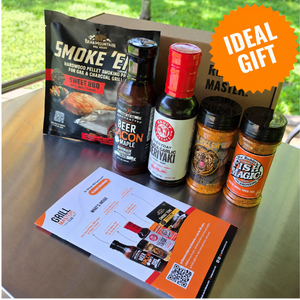

Free US shipping on orders $100+ · Shopping for yourself? Code USA takes 10% off one time orders (does not stack with subscription savings).
Buying for a griller this Christmas? Here are 9 gifts for the dad who grills.
The Basics of Wood Smoking
The better the wood and the meat, the better the flavor. The best smokers in the world have curated the wood they use, which not only builds flavor but helps produce the tenderest, juiciest results possible.
As a beginner, you probably don't know which wood is best, which is why we put together the chart below. The exact level of smokiness depends on your own preferences, so use it as a guide rather than a hard rule.
Best Woods for Smoking Chicken, Seafood, Pork & Beef
| Wood | Strength | Flavor | Best with |
|---|---|---|---|
| Alder | Very mild | Delicate, slightly sweet | Salmon, seafood, poultry |
| Apple | Mild | Sweet, fruity | Pork, ham, poultry |
| Cherry | Mild | Sweet, adds deep color | Pork, poultry, beef |
| Peach / Pear | Mild | Light and fruity | Poultry, pork |
| Maple | Mild to medium | Sweet, subtle | Poultry, pork, vegetables, cheese |
| Pecan | Medium | Rich and nutty | Pork, poultry, beef |
| Oak | Medium | Classic barbecue smoke, not overpowering | Beef, brisket, lamb, sausage |
| Hickory | Strong | Bacon-like, savory | Pork, ribs, beef |
| Mesquite | Very strong | Earthy and intense | Beef, and short cooks only |

Sweeter and lighter woods pair well with chicken and seafood, while stronger woods like mesquite and hickory suit pork and beef. Keep in mind that chicken and seafood absorb smoke flavor faster than pork and beef, so they need a lighter hand.

Using Wood Chunks vs. Chips vs. Pellets
Once you've settled on the type of wood, there's another decision: the size and shape of it. There's no single right answer here, only preferences. Some pitmasters swear by chips, others by chunks.
Wood Chips for Smoking Meat
If you're smoking for only a couple of hours, chips are your best bet. The thicker the wood, the longer it lasts, so chips burn through fastest and need replacing most often.
Wood Chunks for Smoking Meat
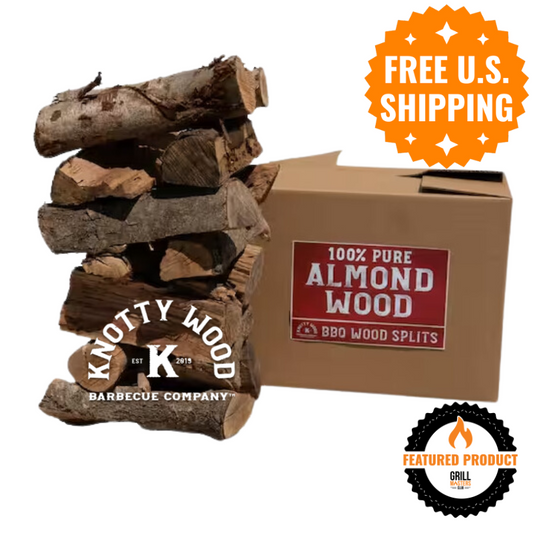
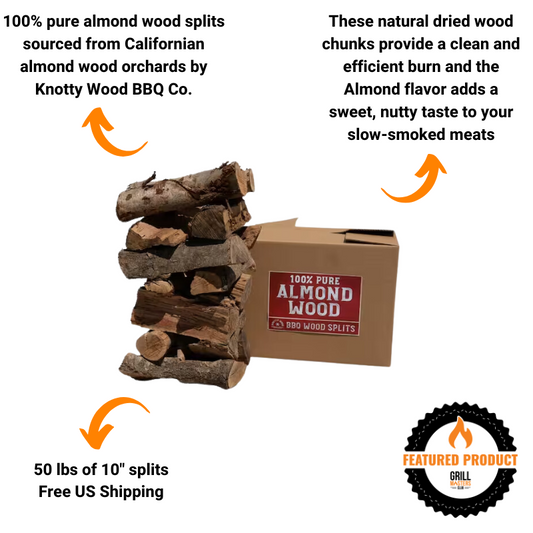
If you're cooking all day rather than a few hours at a time, wood chunks are your friend. They last much longer and produce a steadier stream of smoke, which means fewer lid openings.
Wood Pellets for Smoking Meat
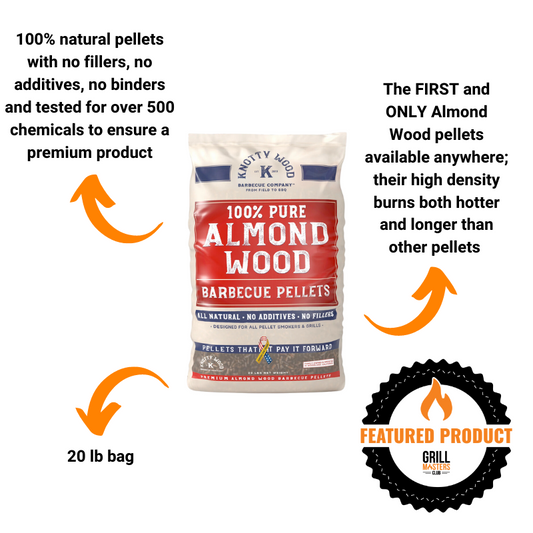
The third option is smoker pellets, but pellets burn off quickly and should only be used in pellet smokers. Those cookers are designed to feed pellets in a controlled way so the meat absorbs the flavor steadily.

Smoking Temperature: How hot should I make my grill?
Because you're cooking for hours using indirect heat rather than an open flame, the goal is to keep the heat low and steady. In our experience the sweet spot sits between 200°F and 250°F, the range everyone means by "low and slow."
This is where a quality thermometer earns its keep. A digital instant-read thermometer handles spot checks, and a leave-in probe with a remote display lets you watch both the meat and the chamber without lifting the lid.
If you're smoking for hours on a charcoal grill, manage your fire by adding charcoal and wood every couple of hours. On a gas grill, swap in new wood when the previous batch burns out. Either way, keep an eye on the chamber temperature. Steady beats hot.

Do I need to flip my meat when smoking on the grill?
No. Sorry for being brash, but this is a common mistake among novice smokers.
When smoking, you don't have to worry about one side getting hotter than the other, because the meat cooks indirectly. Keep the lid closed (still vented) until the meat is ready. Remember: "If you're lookin', you ain't cookin'."
The only reasons to touch your setup are adding wood or charcoal, and spritzing the meat at planned intervals.

Do I have to soak my wood when smoking meat?
No, and we no longer recommend it. This is advice worth updating.
Wood is not very absorbent. Soak chips for 30 minutes and the water mostly clings to the surface rather than penetrating the grain. What happens on the fire is that the surface water has to boil off first, so your chips steam for several minutes before they ever start producing smoke. You aren't extending the burn so much as delaying its start and dropping your chamber temperature in the process.
If you want a longer, steadier burn, the answer is bigger wood rather than wetter wood. Use chunks instead of chips. If you're on a gas grill and want to slow the burn, a foil pouch with a few holes punched in it restricts oxygen and does the job far better than soaking.
How do I know if the meat is cooked all the way through on a smoker?
Cook to internal temperature, not to the clock. Time is a planning tool, not a doneness test. Two hours of smoke will finish chicken thighs and will leave a pork butt raw in the middle, so always verify with a thermometer in the thickest part of the meat.
There are two different numbers that matter, and beginners often confuse them. The first is the safe temperature. The second is the tender temperature, which applies to tough cuts full of collagen that need to climb well past safe before they break down and become pull-apart.
| Meat | Pull at | Why |
|---|---|---|
| Whole cuts of beef, pork, lamb (chops, loin, steaks) | 145°F + 3 minute rest | USDA safe minimum |
| Ground meat | 160°F | USDA safe minimum |
| Chicken and turkey, whole or pieces | 165°F | USDA safe minimum |
| Pork butt / pulled pork | 200°F to 205°F | Collagen breaks down and it pulls apart |
| Brisket | 200°F to 205°F, probe tender | Texture, not safety, decides this one |
| Pork ribs | 195°F to 203°F | Bend test and probe feel confirm it |
| Beef ribs | 203°F | Heavy connective tissue needs the extra climb |
Familiarize yourself with the USDA safe minimum internal temperature chart and keep it handy. For a deeper look at why tough cuts behave this way, read the science of perfectly pulled meat.
One thing that surprises beginners: when you look at smoked pork or beef, the outer layer often stays pink even when fully cooked. That's not undercooked meat, it's a side effect of the smoking process. Pitmasters call it the smoke ring.
Cook to the Number Every Time
Done is a temperature, not a time. The First Fire BBQ Box pairs a digital instant read thermometer with our Meat Smoking Mastery magnet, which lists the target temperature for nearly every protein, plus the apron, spatula, tallow, marinade, rub, sauce and cherry wood for your first cook. Already have the basics? Grab just the instant read thermometer or the temperature magnet.
Shop the First Fire Box
Can I smoke pre-cooked meats?
Yes, you absolutely can.
The appeal is that you don't have to worry as much about food temperatures and you get a much shorter cook time. Double-smoked ham is the classic example, and our smoked ham cheat sheet has every number for it.
If you do smoke pre-cooked meat, make sure it wasn't already smoked before it reached your grill. Otherwise you risk layering on too much smoke and ending up with something overwhelming.
Should I marinate my meats before placing on the smoker?
Of course you can, and in most cases we think you should. Because smoking takes so long, you want as much flavor built in as possible.
Marinades, sauces and rubs complement smoking perfectly, adding layers of complex flavor. Our guide to building flavor in layers walks through how the pros stack them.
For chicken and poultry, soak in a marinade or brine for a full day before smoking so the meat is thoroughly infused. For beef and pork, a dry or wet rub does the job nicely, and the right rub makes a real difference on a long cook.
Some pitmasters don't apply their dry rub until an hour or so before the meat goes on. Others apply it, wrap the meat in plastic or butcher paper, and refrigerate for up to 24 hours. The choice is yours, and as always with smoking, it pays to experiment.

What does the liquid in the drip pan do in the smoker?
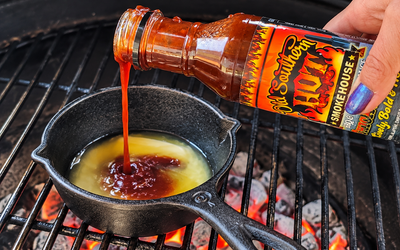
Water and liquid pans in your smoker help stabilize your chamber temperature and add humidity, which slows surface drying and helps smoke adhere. Here's the rule of thumb: the more liquid in the pan, the lower and steadier the ambient temperature.
Keep the level around half an inch. Much more than that and you'll extend your cook times noticeably.
If you want to experiment with flavor, use juice or beer instead of water. Pineapple and apple juice work especially well for poultry.

Do I leave the meat uncovered the whole time in a smoker?
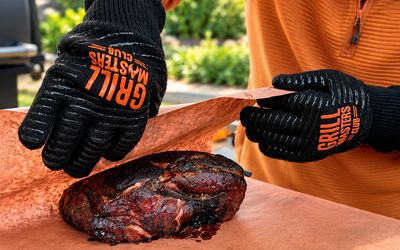
For a juicier result, you can wrap the meat in foil or butcher paper for part of the cook. Some pitmasters leave the meat fully exposed and never touch it until it's done. Wrapping doesn't ruin your meal, it just changes the outcome: foil traps moisture and pushes through the stall fastest, while butcher paper breathes a little and protects more of your bark.
Rule of Thumb for Wrapping Meats
A general ratio to start from:
- Leave your meat exposed for half the cook time, which is when it takes on smoke.
- Wrap it for about a third of the overall cook time, which is when it powers through the stall.
- Unwrap for the remainder so the bark firms back up.
Example Wrapping Schedule: 2 Hour Smoke
- Unwrapped for one hour (half the cook time)
- Wrapped in foil or butcher paper for 40 minutes (one third of the total)
- Unwrapped for the remaining 20 minutes
Treat this as a starting framework rather than a law. On long cooks like brisket and pork butt, most pitmasters wrap based on color and internal temperature instead of the clock. See our brisket guide and pulled pork guide for how that plays out on a full-day cook.
Everything You Need for the Next Low & Slow Cook
The Smoker Essentials Bundle pairs a Drip EZ prep tub, resting blanket, grilling gloves and tongs with a free rub, and it ships free in the US. If you'd rather pick your own flavors, build a bundle of five sauces and rubs instead.
Shop Smoker Essentials Build a Bundle
How can I adjust my results for the next time I smoke meat?
Because smoking is more art than science, it takes practice to find a method that works for your taste and your equipment. Keep a smoking journal and record the variables you used. The more data points you log, the faster you improve.
Here's what's worth logging every cook:
-
Meat / Food
- Type
- Source (where you bought it)
- Frozen or fresh
- Weight
-
Dry Rub / Marinade
- Brand or ingredients
- When you applied it
- How long it sat
-
Mop Sauce / Spritzing
- What you mopped with, if anything
- What you spritzed with, if anything
- Point in the cook when you applied it
-
Temperatures
- Smoker temp
- Meat internal temp at each hour mark
- Outdoor temp
-
Wood
- Type of wood
- Amount used
- Form (chips, chunks, pellets, splits)
- When you added more, and how much
-
Outdoor Conditions
- Date
- Wind
- Temperature
- Humidity
- Any other variables of note
Your first session might be unmarinated chicken on a gas grill for three hours with cherry chips. Next time you might try ribs for four hours with hickory chunks. Note the grill temperature and the weather too, since windy days pull smoke through the chamber faster than still ones.
The most important things to write down are the flavor and tenderness of the finished meat. If the smoke reads as too strong, reduce the amount of wood or how often you replace it. Don't be afraid to mix things up. There are so many variables in smoking that you can keep creating new methods for years.

How to smoke meat if it's still cold?
You can smoke meat straight from the fridge, but taking the chill off first gives you a more even cook. Let it sit out for 30 to 60 minutes before it goes on, and no longer than that. Food safety guidance is clear that raw meat shouldn't sit at room temperature for more than two hours.
On an all-day cook this matters less, since the meat spends hours climbing to temperature regardless of where it started.
Finally, never put frozen meat in a smoker. It spends far too long in the temperature range where bacteria multiply, and it will not cook evenly. Thaw it in the refrigerator first.

Should I check on my meat regularly while it's in the smoker?
No, just let it be. If you're lookin', you ain't cookin'.
Beginners worry the meat is overcooking and check obsessively. This is a mistake. Every time you open the lid, smoke pours out and your cooking temperature swings, which adds time to the cook and makes the whole thing harder to control.
Open the lid only when you need to: adding wood, adding charcoal, or checking temperature. A leave-in probe removes most of those reasons entirely.

Can I use sauce when smoking?
Yes. Some of the best barbecue is smoked and sauced in the same cook.
The timing is what matters. Hold off on sauce until the last 10 to 20 minutes, because most barbecue sauces carry enough sugar to burn over a long cook. Pull the meat when it's done, slather it, then let it go another 15 minutes so the sauce sets and bakes in.
Our guide to using sweet BBQ sauces without burning them covers the timing in more detail.
How to smoke food other than meat? Can I do it?
Yes, you can. Smoking vegetables and cheese is a great way to put new skills to work.
How to smoke other food items, like vegetables
The process is the same, but you'll want a metal container or basket so nothing falls through the grates. For most vegetables, a moderate wood like maple or cherry works well.
For cheese you'll need cold smoking, which keeps the chamber below about 90°F so the cheese takes on smoke without melting. It's a different technique worth learning once you're comfortable with the basics.
Conclusion
Now that you have the tools you need, what are you waiting for? Put your new knowledge to work and cook something.
Your first attempt may not be your best, but smoking is still the surest route to the results you want. Stay patient, run a few trials, and you'll end up with the best meat of your life. As the saying goes, anything worth doing is worth doing well.
Keep Reading
Join 100,000+ Grill Masters
Get weekly recipes, pro tips, and exclusive deals sent straight to your inbox. Plus your free Pit Card download and 10% off your first order.