
How to Use a Dry Rub: What It Is, How Much, and When
The short version. A dry rub is salt, spices and usually a little sugar, put on before cooking. Use about a tablespoon per pound. Put it on either within 10 minutes of cooking or at least 40 minutes before, never in between. You don’t need a binder. If the rub already contains salt, that is your salt.
Somebody gave you a rub, or you picked one up because the label looked good, and now it’s sitting in the cupboard. That’s the situation this page is for. None of it is complicated, and most of what people get wrong comes down to two things: how much, and when.
What’s in this guide
What a dry rub actually is
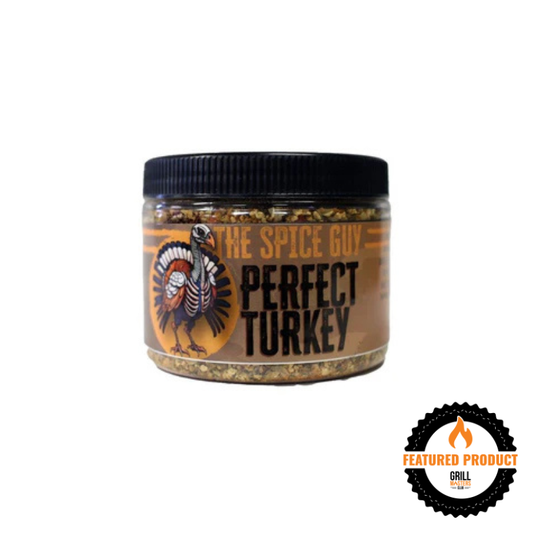
A dry rub is a dry blend you put on the outside of meat before you cook it. Almost all of them are built on salt, with spices for flavor and usually some sugar for color and caramelization. Paprika, garlic, onion, black pepper and chili do most of the heavy lifting in the middle. Build your own from our Pitmaster Pantry and shake it on with a 16 oz rub shaker. Shop rub shakers and spices.
The salt is the part that matters most. It does not just sit on the surface. Given time it draws moisture out, dissolves into it, and gets carried back into the meat, which seasons deeper than the spices ever will. That is also why timing is the thing people get wrong.
Rub or marinade?
A marinade is wet, so it works on flavor and sometimes on texture, and it puts moisture on the surface. A rub is dry, so it seasons and it lets the surface dry out, which is exactly what you need for browning.
The practical rule: if you want a crust, use a rub. If you want a thin cut to pick up flavor fast and you don’t care much about a sear, a marinade is fine. Pick one. Using both just gives you a wet surface with spices floating in it.
How much to use
About a tablespoon per pound is the number to start from. For a big cut where you want real bark, go closer to two. For fish or vegetables, a light dusting is plenty.
A good coat still lets you see the meat through it in places. If it looks like breading, that’s too much, and the extra does not stick anyway. It falls off in the pan and burns.
One thing to check before you reach for the salt shaker as well: read the first two ingredients on the rub. If salt is one of them, that rub is your salt. If it’s a salt-free blend, season with about three quarters of a teaspoon of kosher salt per pound first, then the rub.
Do you need a binder?
No, and this trips a lot of people up because every competition video uses one.
A binder is a thin smear of something tacky, usually yellow mustard, that goes on before the rub. Its only job is to help the rub stick evenly to a smooth or lean surface. It cooks off completely. You will not taste mustard in the finished food.
Use one on a brisket flat, a pork loin or skinless chicken breast, where the surface is slick and the rub slides around. Skip it on a well-marbled steak or anything with plenty of surface texture. Oil, hot sauce and mayonnaise all work the same way if mustard isn’t to hand.
When to put it on
This is the one rule worth memorizing. Either season and cook within about 10 minutes, or season at least 40 minutes ahead.
Here is why. Salt immediately starts pulling moisture out of the meat. For the first half hour or so that moisture is sitting on the surface, which means you are cooking a wet steak, and a wet surface steams instead of browning. Wait longer and that liquid gets reabsorbed, carrying the seasoning inward, and the surface dries out again. Both ends of that curve are good. The middle is where grey, weepy meat comes from.
For bigger cuts, longer is better. Overnight on a rack in the fridge, uncovered, is the version most pitmasters use, and it is the same thing as dry brining.
How to apply it
1. Pat the surface dry. Paper towels, both sides. A dry surface takes rub evenly and browns properly.
Worth knowing: do not rinse raw meat under the tap. USDA guidance is clear that rinsing splashes bacteria around your sink and counter without making the meat any safer. Patting dry is all it needs.
2. Binder, if you’re using one. A thin smear, not a coating. You should still see meat through it.
3. Sprinkle from height. Twelve inches or so above the meat, with your hand moving. Height is what gives you an even spread. Dumping it on from an inch away gives you piles and bare patches.
4. Press, don’t scrub. Pat it gently so it adheres. Rubbing hard drags it into clumps and takes it off again. Keep one hand dry for sprinkling and one for pressing, or you end up with a pasty glove and a half-seasoned steak.
5. Do the edges. Sides, ends, and the fat cap. People season two faces and forget the rest.
6. Then leave it alone for the time in the section above.
Steak, chicken and everything else
| What you’re cooking | When to put it on | How much | The thing to know |
|---|---|---|---|
| Steak and chops | Right before, or 40 minutes to overnight | 1 tbsp per lb | The 40 minute rule matters most here. Read the reverse sear guide for the temperatures. |
| Chicken, whole or pieces | 2 to 24 hours ahead | 1 tbsp per lb | Get some under the skin, not just on it. Skin is a raincoat. |
| Pork butt and brisket | 12 to 24 hours ahead, uncovered in the fridge | 1.5 to 2 tbsp per lb | Heavier coat, because you are building bark. See the brisket rubs guide. |
| Ribs | 1 to 12 hours ahead | 1.5 tbsp per lb | Membrane off the bone side first or the rub sits on plastic. Rib rubs here. |
| Fish and shrimp | 15 minutes, maximum | A light dusting | Salt pulls moisture out of fish fast. Longer than that and you are curing it. |
| Vegetables | Right before, tossed with oil | A light dusting | Oil first so it sticks, then rub. Sugar-heavy rubs will scorch on a hot grate. |
If you want the rub recipes the competition cooks actually use, we’ve written up Myron Mixon’s rib rub and Aaron Franklin’s, and there’s a wider guide to grilling steak if that’s where you’re headed.
Sugar, and why rubs burn
Most barbecue rubs contain sugar, usually brown. On a low smoke it caramelizes slowly and becomes most of what people mean by bark. Over direct heat it is a liability, because sugar starts to burn around 265°F and a searing grate is well past 500°F.
So: sugar-forward rubs for low and slow. For hot and fast, use a blend that leads with salt and pepper, or put the sweet rub on in the last few minutes when the heat comes down. Bitter black patches on a steak are almost always sugar, not char.
Storing your rubs
Sealed, dark, and nowhere near the heat. The cupboard above the stove is the worst place in the kitchen and it’s where everybody keeps them. Heat and light strip out the volatile oils that make a rub smell like anything.
Kept properly, most hold real flavor for six to twelve months. They don’t spoil after that, they just go quiet. If a rub has gone hard or clumped, it’s picked up moisture and it’s on the way out.
What goes wrong
1. Putting it on 20 minutes before you cook.
Salt pulls moisture to the surface and then reabsorbs it. Cook inside 10 minutes, or wait at least 40. The window between those two is what gives you a wet, grey surface instead of a crust.
2. Salting a rub that already has salt in it.
Most commercial rubs lead with salt, so you are seasoning twice. Read the first two ingredients. If salt is one of them, the rub is your salt.
3. Using a high-sugar rub over direct heat.
Sugar starts to burn around 265°F. On a low smoke it caramelizes. Over a hot grate it turns bitter and black before the inside is done.
4. Rubbing it in hard.
You are seasoning, not massaging. Pressing hard drags the rub into clumps and pulls it off in patches. Sprinkle from height, press gently, leave it.
5. Keeping rubs above the grill or next to the stove.
Heat and light strip the volatile oils that make a rub taste like anything. A cupboard away from the heat buys you months of flavor.
The fastest way to work out what you actually like is to try a few side by side rather than committing to one big jar.
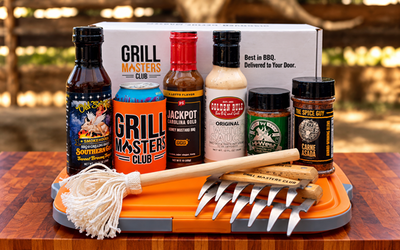
🔥 Build your own BBQ bundle
Pick 5 for $49.99 or 10 for $89.99 with free shipping
Buy it once or subscribe & save 10%. Swap your picks every shipment.
Build your bundle →Free US shipping · Sauces, rubs and tools to choose from.
Buying for somebody else? The sauce and rub gift sets are already put together. Or browse all the rubs and sauces if you know what you’re after.
Questions people ask
What is a dry rub?
A dry rub is a blend of salt, spices and usually some sugar that you put on meat before cooking. It seasons the surface, and the salt in it seasons deeper than that. It is dry, so unlike a marinade it helps the surface brown rather than steam.
How much dry rub should I use?
About a tablespoon per pound is a good starting point. For a big cut where you want bark, closer to two. You should still be able to see the meat through it in places. A rub is not a breading.
Do I need a binder like mustard?
No. A binder helps rub stick to a smooth or lean surface and makes an even coat easier, which is why competition cooks use it. It cooks off and you will not taste the mustard. On a fatty, textured cut you can skip it entirely.
How long should a dry rub sit before cooking?
Either under 10 minutes or over 40. Salt draws moisture to the surface first and pulls it back in later, so the gap in between is the worst time to cook. For big cuts, overnight in the fridge uncovered is better still.
Should you rub meat before or after cooking?
Before, almost always, because the salt needs time and the sugar needs heat to caramelize. The exception is a finishing dust, which is a salt-light blend you add after the cook for aroma.
Can you use a dry rub on steak?
Yes, and a coarse salt and pepper blend is the classic choice. Keep sugar low if you are searing hot. Season at least 40 minutes ahead and the salt has time to work into the meat.
How do you apply dry rub to chicken?
Pat it dry, then get some rub under the skin as well as on top. Skin keeps rub out as effectively as it keeps moisture in. Two to 24 hours ahead in the fridge gives you the best result.
How long do dry rubs last?
Sealed, dark and away from heat, most keep real flavor for six to twelve months. They do not spoil after that, they just fade. If a rub has gone hard or clumpy it has taken on moisture and is on its way out.
Keep going
Rubs are one layer. If you want the rest of them, read how to reverse sear a steak for the temperature side, or the guides to brisket rubs and rib rubs when you’re ready to cook something that takes all day.
There’s a whole world of BBQ you haven’t tasted yet.
Every delivery brings 5+ full-size, premium products from small-batch brands, plus the recipes to cook them. A new theme every time, and we never repeat one. Get ready to be fired up!
See your subscription options →Free US shipping · Ships within 72 hours · Every box is different
Want a new themed BBQ box with recipes delivered? Subscribe and save.
Join 100,000+ Grill Masters
Get weekly recipes, pro tips, and exclusive deals sent straight to your inbox. Plus your free Pit Card download and 10% off your first order.